Business class flights from Austin (AUS) to San José (SJO) start from $1,700 round-trip — up to 40% below published airline prices. The ~8 hours journey covers 1,643 miles, with 3 airlines offering lie-flat seats on this route. Best time to book: 3–6 months in advance for best fares.

AUS → SJO
Austin to San José Business Class
From$1,700
Route Overview
Starting From
$1,700 round-trip
Flight Duration
~8 hours
Distance
1,643 miles
Airlines
3 carriers
Best Value
Jan, Feb, Mar
Savings
Up to 60% off retail
Route Intelligence
Business Class from Austin to San José
San José draws a mix of travelers rarely seen on the same flight: retirees scouting properties in the Central Valley, biotech and medical device executives visiting Costa Rica's growing manufacturing sector, surfers heading to Nosara or Santa Teresa, and families chasing cloud forests and volcanoes. The city itself is a launch pad rather than a destination — most visitors clear immigration at Juan Santamaría International and are on the road within two hours, whether that's north to Arenal, southwest to Manuel Antonio, or into the hills above Escazú where much of the expat and business community lives. Because Austin has no direct service to San José, every Austin to San José business class itinerary routes through a connecting hub, and which hub you choose shapes the entire experience.
Airlines & Cabin Experience
American Airlines runs the most convenient options, connecting through Dallas-Fort Worth or Charlotte with Flagship Business: a true 1-2-1 lie-flat suite, Casper bedding, and Flagship Lounge access if your DFW layover lands you there during operating hours. Delta counters with Delta One Suite service through Atlanta or Minneapolis — a closing door, more privacy than American's setup, and a Tumi amenity kit that's genuinely useful on a red-eye. LATAM Airlines is the wildcard here: their Business cabin is a solid 2-2-2 lie-flat product, and if your trip has any South America component — say, a stopover in Lima or Bogotá — routing through their network can make sense, though it's rarely the fastest path from Austin.
Pricing & Best Time to Fly
Pricing on this route runs from roughly $1,700 to $5,200 round-trip through our consolidator fares, and where you land in that range depends heavily on timing. This is a short-haul route by distance but priced more like a premium leisure market, because demand spikes hard during Costa Rica's dry season. January through March is peak — clear skies, warm beaches, and a lot of competition for seats — so fares sit toward the higher end unless you book 4-6 weeks out. June and July catch a secondary dry spell that locals call veranillo, and fares often soften slightly compared to winter. November and December bring holiday travelers back in force, so book early if you're flying around Thanksgiving or Christmas.
Why Book Through BestBusinessClass.com
On the practical side, treat your connection time with respect. DFW and ATL are massive airports, and a 55-minute layover on a delayed inbound leg is asking for trouble — we typically steer clients toward connections of 90 minutes or more when routing through American or Delta hubs. San José sits at roughly 3,800 feet, so if you've got an evening arrival and an early departure the next morning, budget extra time; the descent and approach can be bumpy in afternoon thunderstorms even outside rainy season. Aircraft on the AUS-to-hub leg is often a smaller regional jet without a true business cabin, so the lie-flat experience typically starts on the international leg out of DFW, CLT, ATL, or MSP — worth knowing so you're not expecting flat-bed seating for the full journey.
Travel Tips
Whichever carrier you choose, this is a route where the connecting hub matters as much as the airline. American's DFW hub minimizes backtracking for Texas travelers, Delta's ATL routing adds lounge options if you enjoy a longer layover, and LATAM only makes sense if Costa Rica is one stop on a broader Latin America itinerary.
Airline Comparison
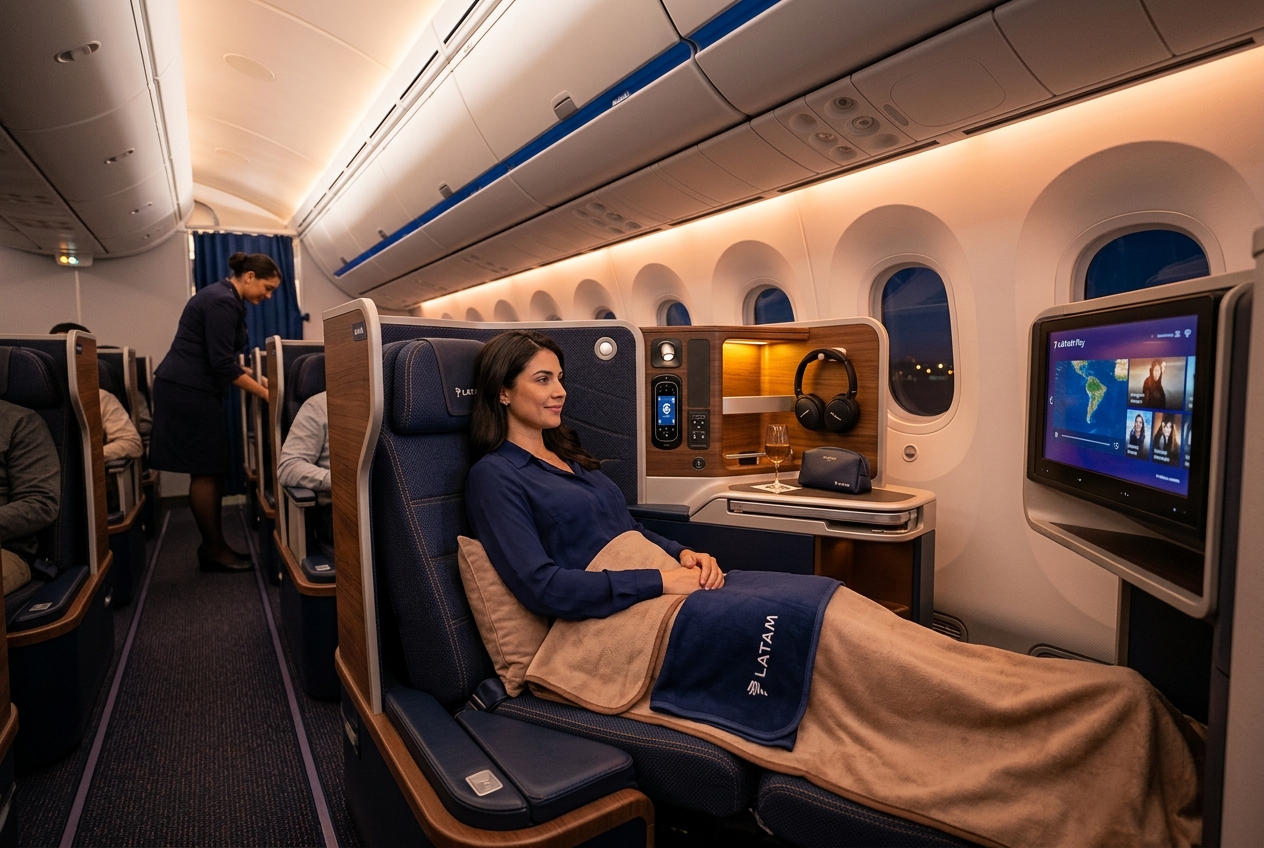
LATAM Airlines
LATAM Business
Lie-flat, 2-2-2
South America specialist, Santiago hub
Read Full Review →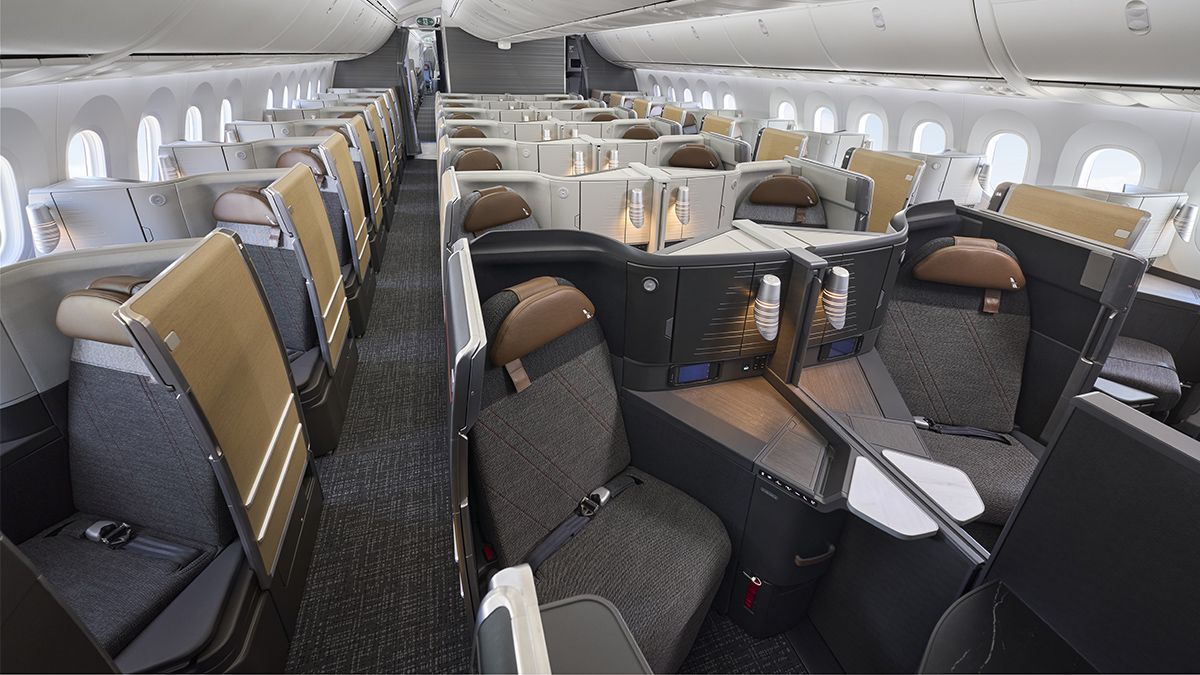
American Airlines
Flagship Business
Lie-flat suite, 1-2-1
Flagship Lounge, Casper bedding
Read Full Review →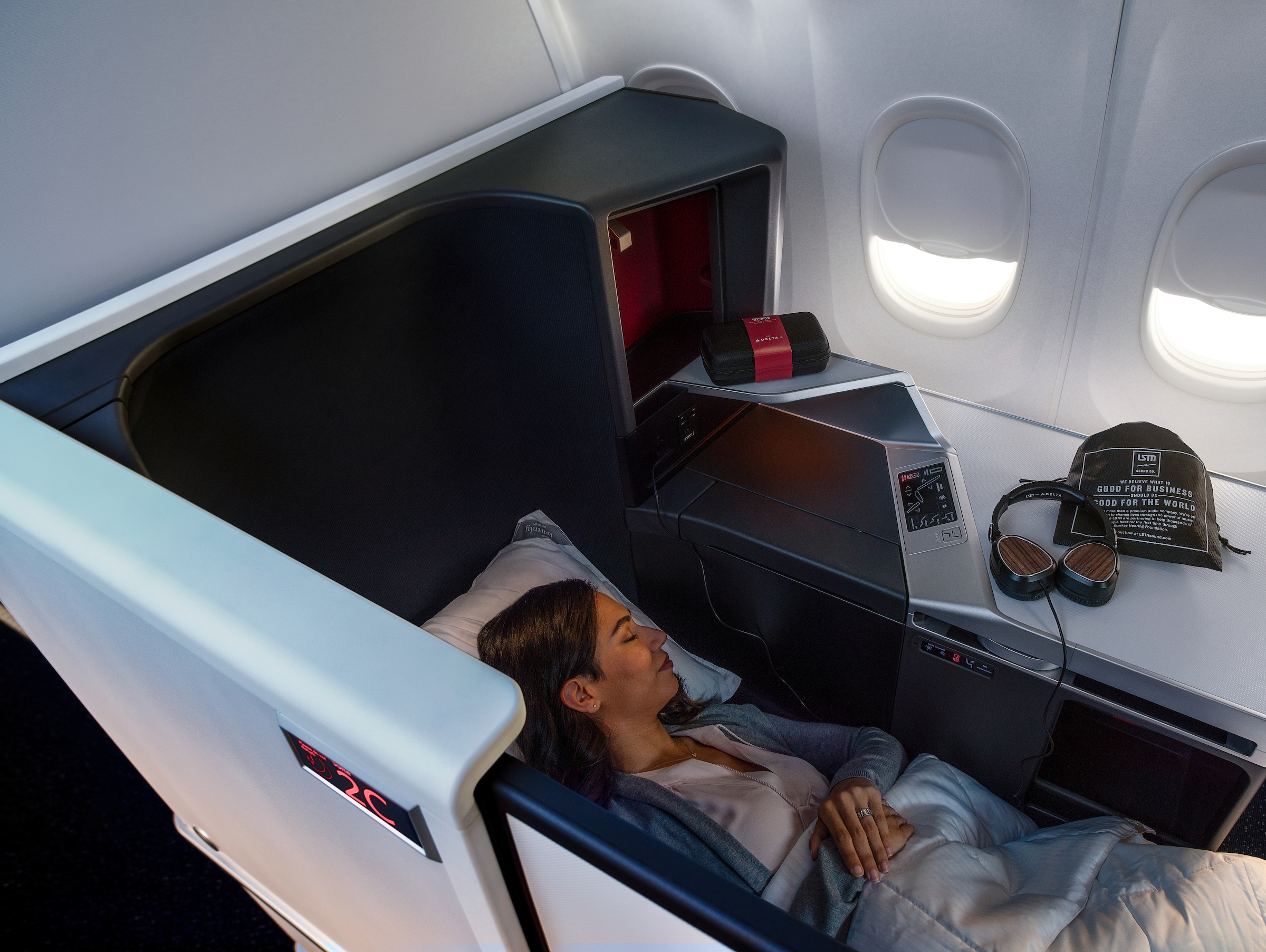
Delta Air Lines
Delta One Suite
Suite with closing door, 1-2-1
Delta One Suite privacy, Tumi amenity kit
Read Full Review →Top Rated
By Travelers
Up to 40%
Savings
Licensed
Accredited
24/7
Live Support
Operated by LUX Services LLC|FL Seller of Travel #ST46311
The Business Class Standard
Lie-Flat Guarantee
We only sell true Business Class. 180° fully flat beds on all long-haul routes, ensuring you arrive rested.
Premium Lounges
Access the world's finest lounges. Enjoy pre-flight dining, showers, and quiet workspaces before you board.
Priority Service
Skip the queues. Your ticket includes fast-track security, priority boarding, and premium baggage handling.
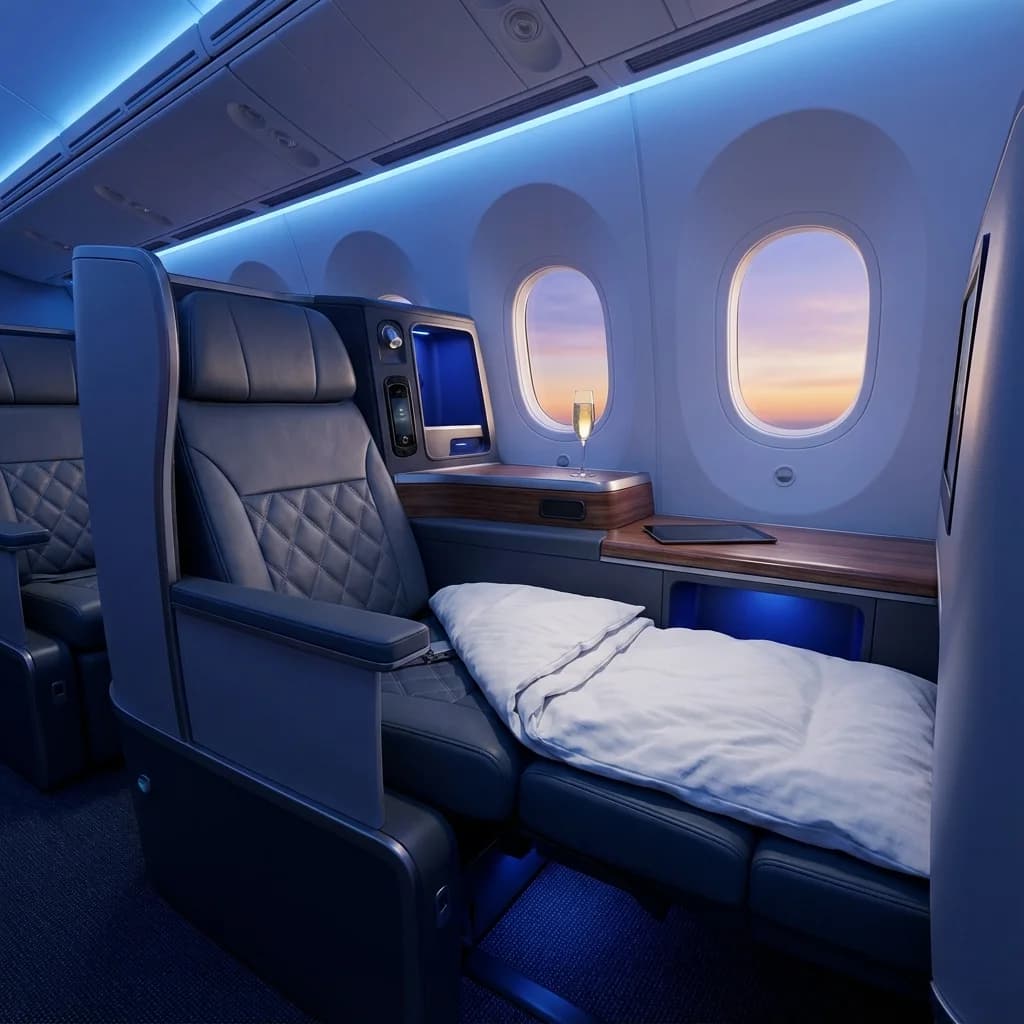
The Business Class Standard
Lie-Flat Guarantee
We only sell true Business Class. 180° fully flat beds on all long-haul routes, ensuring you arrive rested.
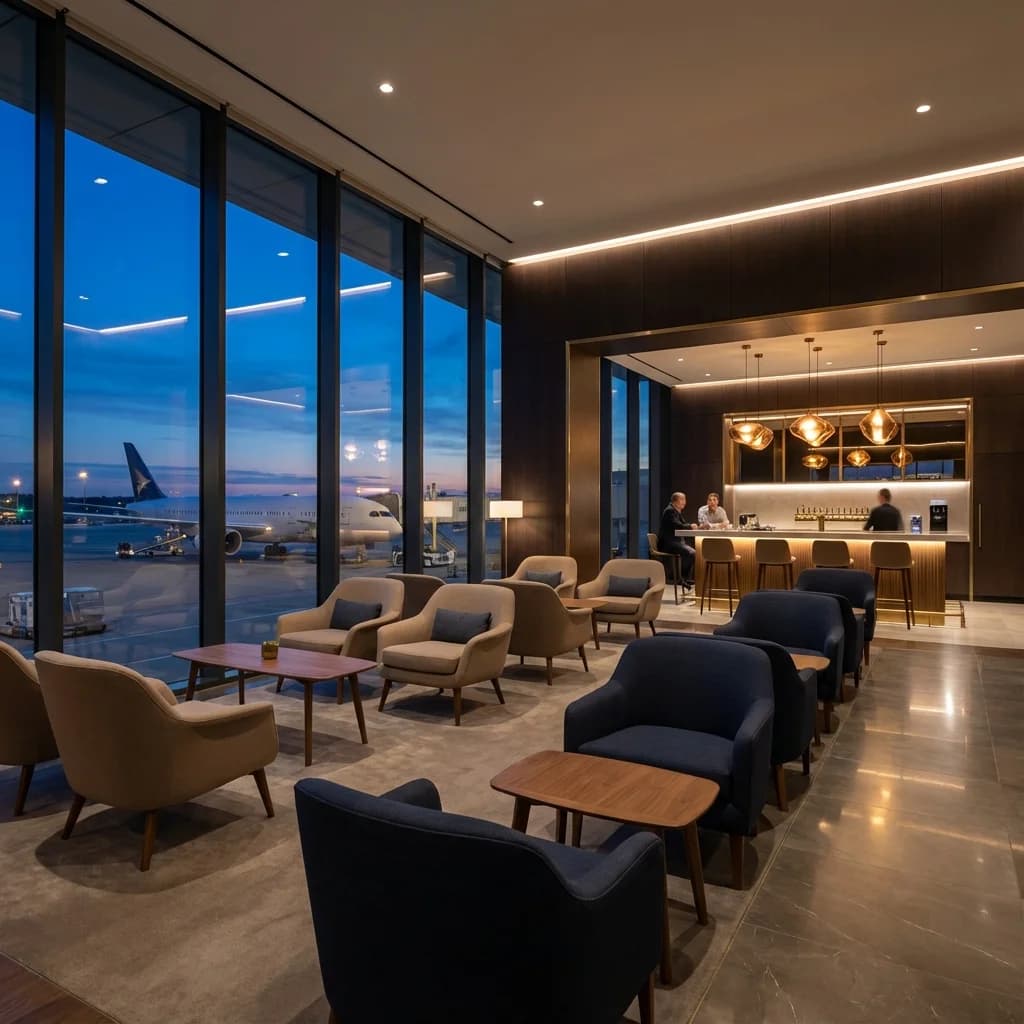
Premium Lounges
Access the world's finest lounges. Enjoy pre-flight dining, showers, and quiet workspaces before you board.
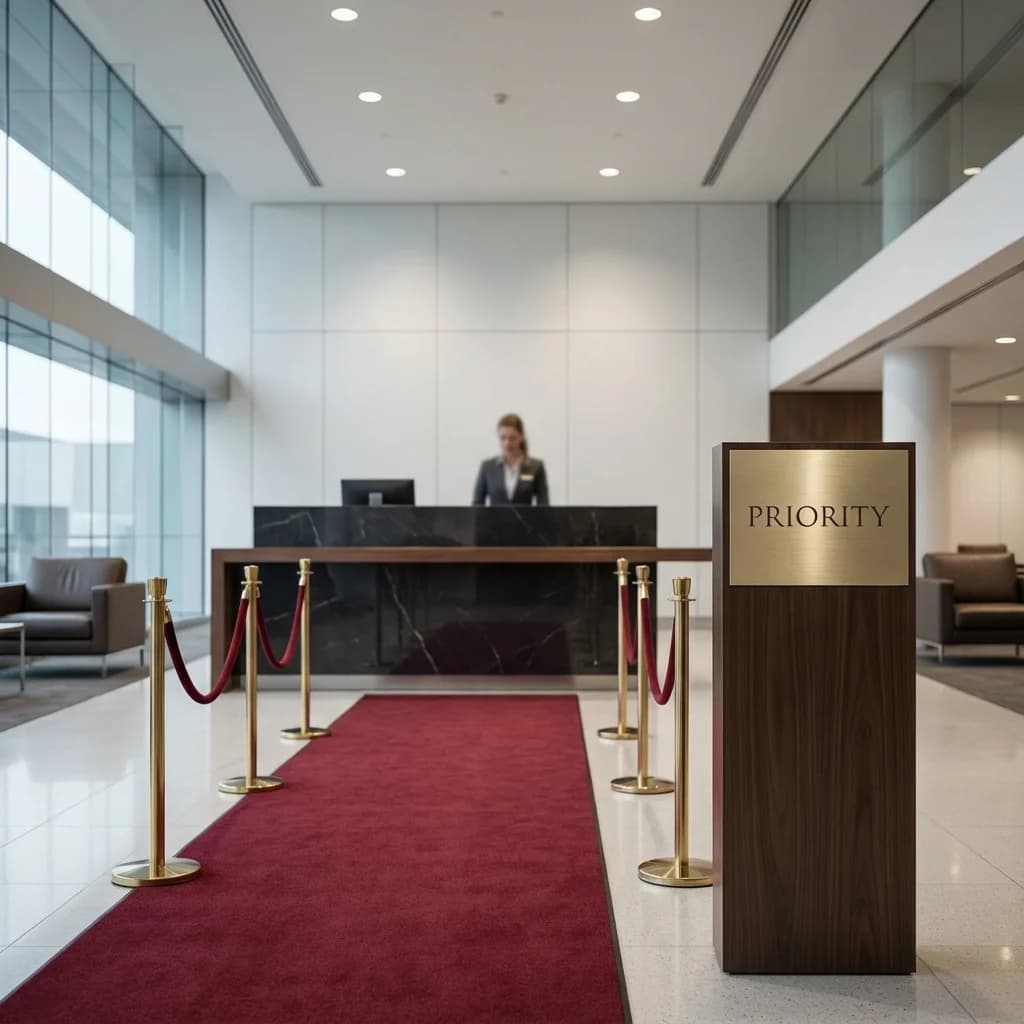
Priority Service
Skip the queues. Your ticket includes fast-track security, priority boarding, and premium baggage handling.
FAQs: Austin to San José Business Class
Travel Guides
Insights for San José Travelers
What Our Travelers Say
Client Feedback
Verified insights from travelers booking discounted international business class flights.
Ready to book Austin to San José?
Our travel experts have access to unpublished fares. Save up to 40%.